SEO for E-commerce Product Pages
How to Boost Your Online Shop’s Visibility

Standing out from the crowd is vital in today’s competitive online marketplace. One of the most effective ways to do this is by optimising your e-commerce product pages for search engines. With 68% of online experiences beginning with a search engine, making sure your product pages are discoverable can significantly impact your business’s bottom line. This article explains why SEO is vital for e-commerce product pages and provides actionable tips to improve your online shop’s visibility.
Why SEO Matters for E-commerce Websites

Search engine optimisation (SEO) isn’t just another buzzword; it’s an essential strategy for online retailers looking to attract new customers. According to research, 75% of users never scroll past the first page of search results. If your product pages aren’t optimised, you’re likely missing out on many potential customers.
Product pages are the lifeblood of e-commerce sites. These pages showcase your offerings and are often the deciding factor for buyers. Optimised product pages improve visibility and enhance user experience, making it easier for customers to find what they want to buy when using a search engine to find your product page.
Building Search-Friendly Product Descriptions

Your product descriptions are the perfect opportunity to integrate SEO best practices while addressing customer needs. Well-written, engaging, and keyword-rich descriptions can significantly improve search rankings.
Focus on Keywords
Incorporate relevant keywords naturally into your descriptions. For instance, if you’re selling handmade leather bags, include phrases like “handmade leather bag” or “Moroccan leather handbags.”
Avoid Duplicate Content
Many online shops use manufacturer-provided descriptions, which can lead to duplicate content across multiple sites. Search engines penalise this. Write original descriptions that highlight your unique selling points.
Use Bullet Points
Break down product features into easily scannable bullet points. This format improves readability and helps search engines index your content more effectively.
Optimising Product Page Titles and Meta Descriptions

Your product page titles and meta descriptions are among the first things potential customers see on search engine results pages (SERPs). They are crucial for enticing users to click on your link.
Write Descriptive Titles
Include the product name, key features, and relevant keywords. For example, instead of “Blue Shirt,” use “Men’s Slim Fit Blue Shirt – 100% Cotton.”
Craft Compelling Meta Descriptions
Summarise the product benefits in under 160 characters. Make it enticing, with a clear call to action like “Shop now for free shipping.”
Avoid Keyword Stuffing
Overloading your titles and descriptions with keywords can hurt your rankings and deter potential customers.
The Role of High-Quality Images and Alt Text

Images are vital to your product pages, so compress and optimise all photos for SEO before uploading them. High-quality visuals attract customers, while optimised images boost search rankings.
Use High-Resolution Images
Clear, detailed images create a positive impression and can increase conversion rates.
Optimise Alt Text
Alt text helps search engines understand your images and allows visually impaired users, using screen readers, to understand the content of your product photos. Describe your product photos accurately and include relevant keywords. For example, “Handmade leather bag with adjustable strap.”
Compress Image Files
Large files can slow your website’s speed, negatively impacting user experience and rankings. Use tools to compress images without compromising quality.
Leveraging Customer Reviews for SEO
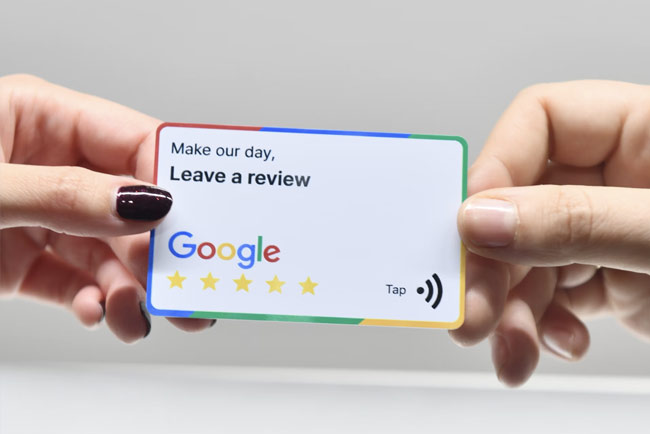
Customer reviews provide valuable social proof to humans and can also enhance your SEO efforts. Pages with user-generated content tend to rank higher because they offer fresh, relevant information.
Encourage Reviews
Send follow-up emails or offer incentives for customers to leave reviews.
Highlight Keywords in Reviews
While you can’t control what customers write in their reviews, they will often naturally include keywords, boosting your page’s relevance.
Respond to Reviews
Engaging with reviews shows potential customers that you value your clients, which builds trust and credibility. It also lets you communicate your company brand values when dealing with positive and negative reviews.
Structuring URLs for Better Search Rankings

A clean and descriptive URL structure helps search engines, and customers understand your product pages. Aim for simple, keyword-focused URLs. For example, instead of “www.shop.com/p1234,” use “www.shop.com/handmade-leather-bag.” Avoid special characters in URLs, use hyphens to separate words, and avoid symbols or numbers that don’t add value.
Boosting Page Speed and Mobile Optimisation

Page speed and mobile responsiveness are important factors for SEO and usability. A slow-loading page can frustrate users and lead to high bounce rates, while a mobile-friendly design ensures accessibility for all users.
Test Your Page Speed
Use tools like Google’s PageSpeed Insights to identify areas for improvement.
Implement Responsive Design
Ensure your site looks great and functions well on all devices. A responsive website is non-negotiable, as over 60% of internet traffic comes from mobile devices. If your e-commerce website doesn’t work on handheld devices, it is time to find a web designer.
Enable Caching
Caching is a powerful technique that improves website performance by temporarily storing data on a user’s device. Key elements of your website—like images, stylesheets, scripts, and product information—can be stored locally on the user’s browser, speeding up their experience of using your website.
Using Schema Markup for Rich Results
Schema markup helps search engines better understand your product pages, increasing the chances of displaying rich snippets in SERPs. Rich snippets often include product images, prices, reviews, and availability, making your listing more attractive.
Add Product Schema to your product pages, including product name, price, availability, and ratings. Use Google’s Structured Data Testing Tool to verify that your schema markup is implemented correctly.
Analysing and Improving Performance

SEO is an ongoing process. Regularly monitoring your product page performance with tools like Google Analytics can help you identify what’s working and what needs improvement.
Use Analytics Tools
Platforms like Google Analytics and Search Console provide valuable insights into page performance, traffic sources, and keyword rankings.
Conduct A/B Testing
Experiment with different titles, descriptions, and layouts to see what product pages are most popular with your audience.
Track Conversion Rates
Use website analytics data to understand how many visitors turn into buyers and optimise accordingly.
Take Your E-commerce Business to the Next Level

Optimising your e-commerce product pages for SEO will enhance your online shop’s visibility in search engine results pages. If your site achieves page one of Google for a product many people are searching for, your web traffic could double overnight, and sales would go through the roof.
Focusing on search-friendly descriptions, high-quality visuals, customer reviews, and technical optimisation can create a seamless shopping experience that attracts and retains customers.
Ready to take the next step?
Contact The SEO Marketing Agency today to explore how our tailored SEO services can help your online shop reach new heights. Let’s connect your products with the customers who need them most.